
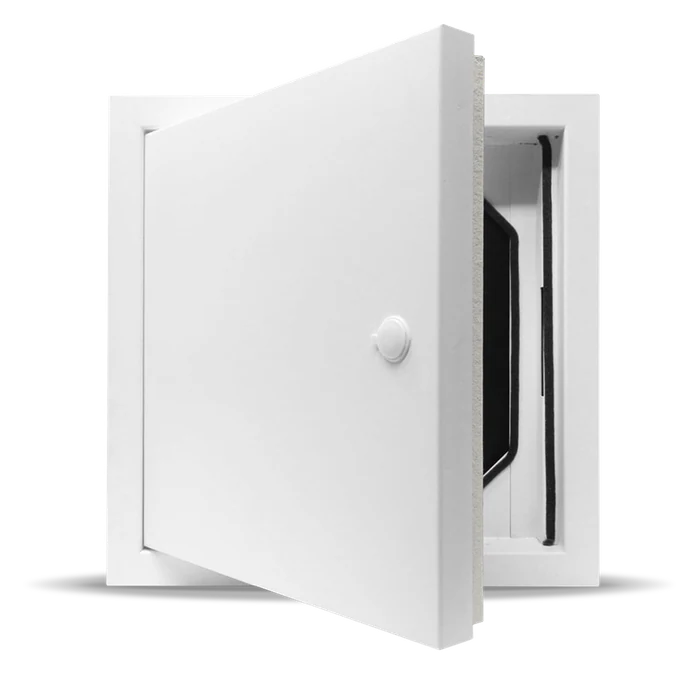

Category
AOV Smoke Vents
AOV (Automatic Opening Vent) smoke vents are a fire-safety and ventilation solution that rapidly extract smoke and heat from a building during a fire — helping keep escape routes such as stairwells, corridors and lobbies clear, and compliant with UK fire regulations.
They open automatically in response to the fire detection system, reducing smoke build-up, improving visibility for occupants and firefighters, and supporting safer evacuation and property protection.
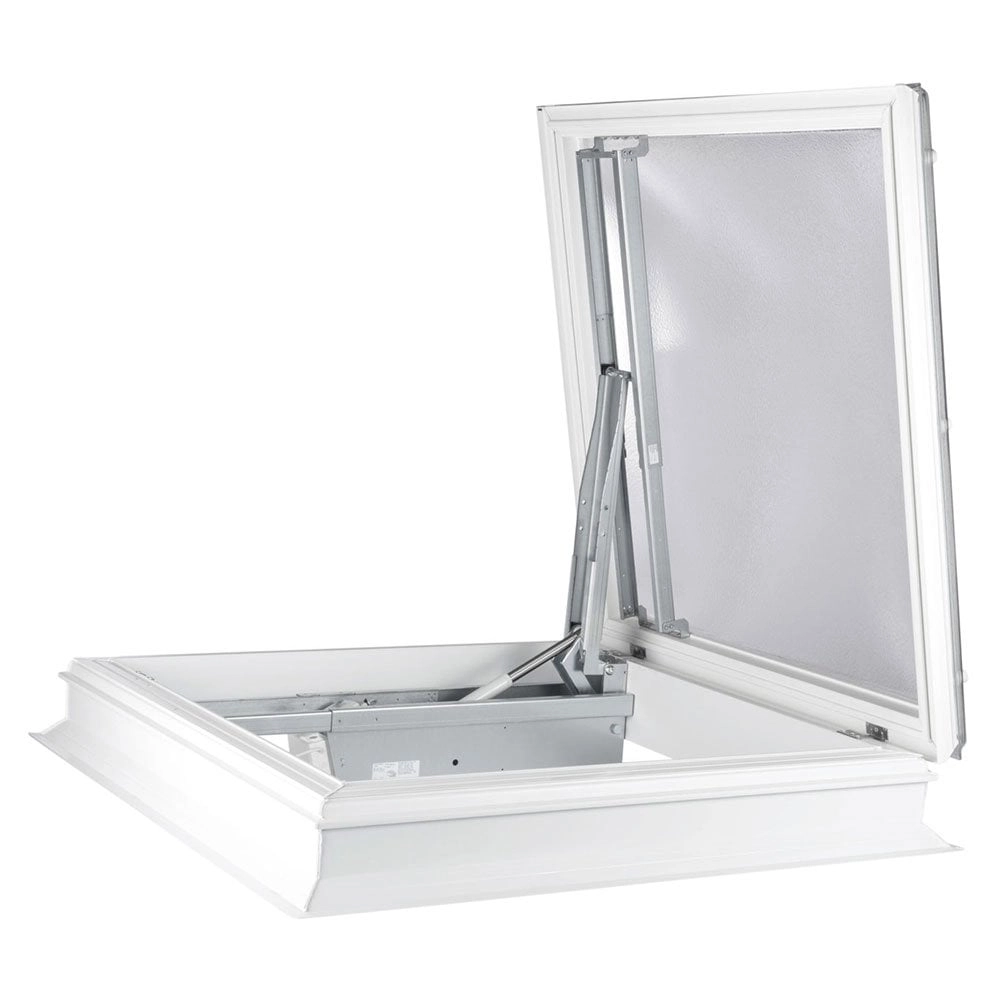 AOV Offset actuator
Coxdome SHEV AOV Offset actuator 160mm Kerb
- Made to order · 7–10 working days
- Polycarbonate dome
Coxdome SHEV AOV Central actuator 160mm Kerb
- Made to order · 7–10 working days
- Polycarbonate dome
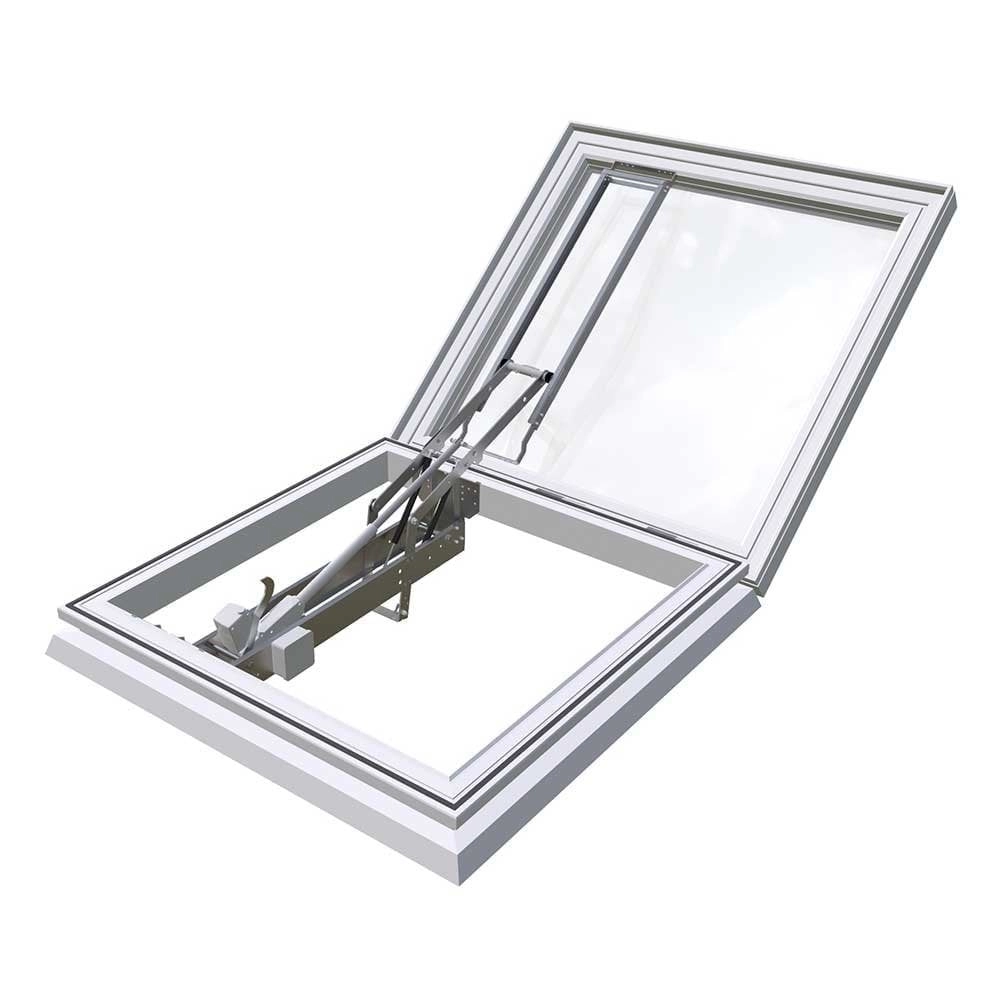 Offset Actuator
Brett Martin AOV Smoke Vent Offset Actuator 100mm Kerb
- Made to order · 7–14 working days
- Polycarbonate dome
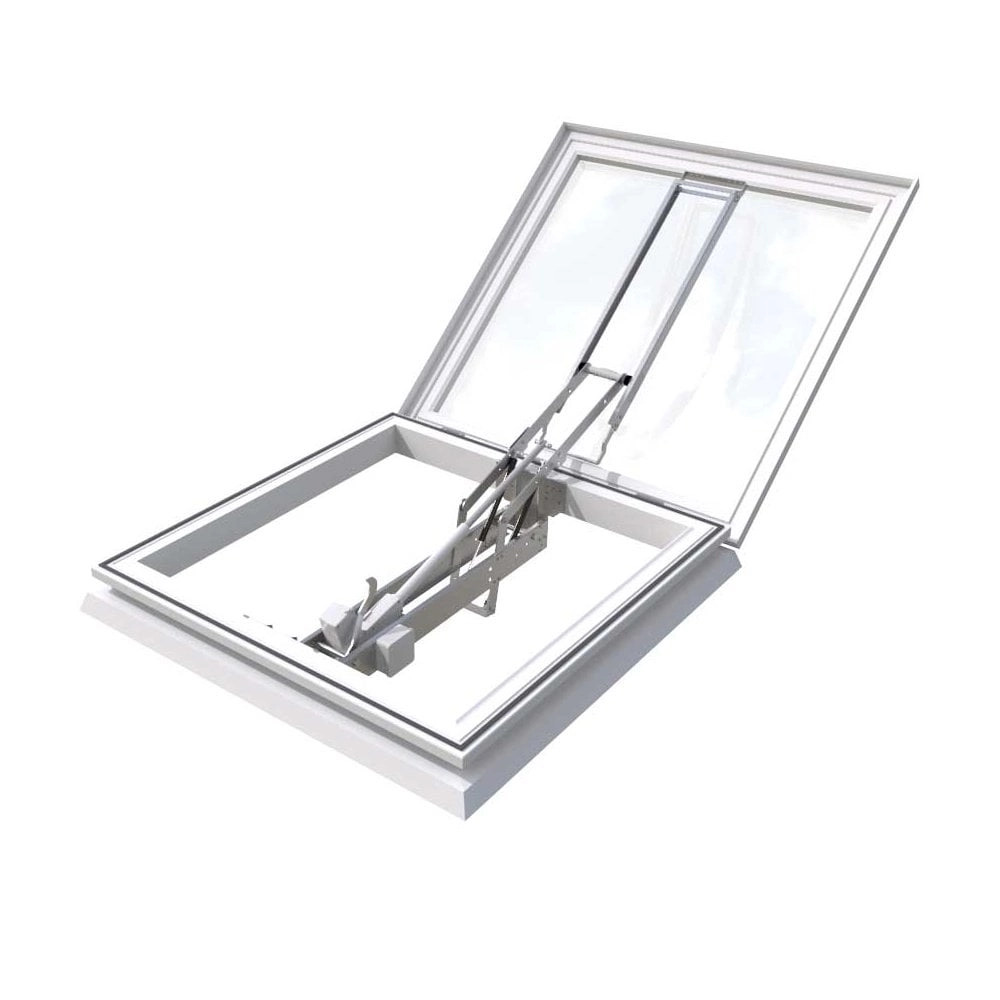 Central Actuator
Brett Martin AOV Smoke Vent Central Actuator 100mm Kerb
- Made to order · 7–14 working days
- Polycarbonate dome
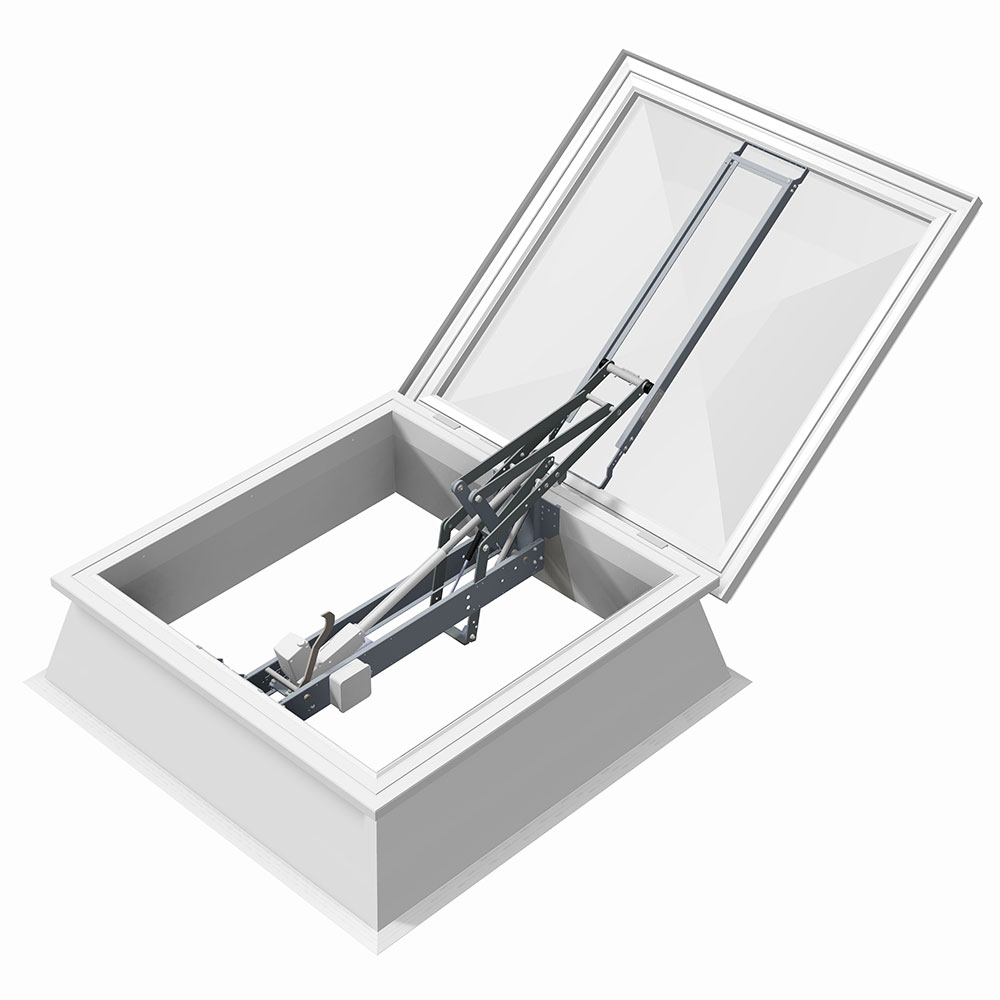 Central Actuator
Brett Martin AOV Smoke Vent Central Actuator 365mm Kerb
- Made to order · 7–14 working days
- Polycarbonate dome
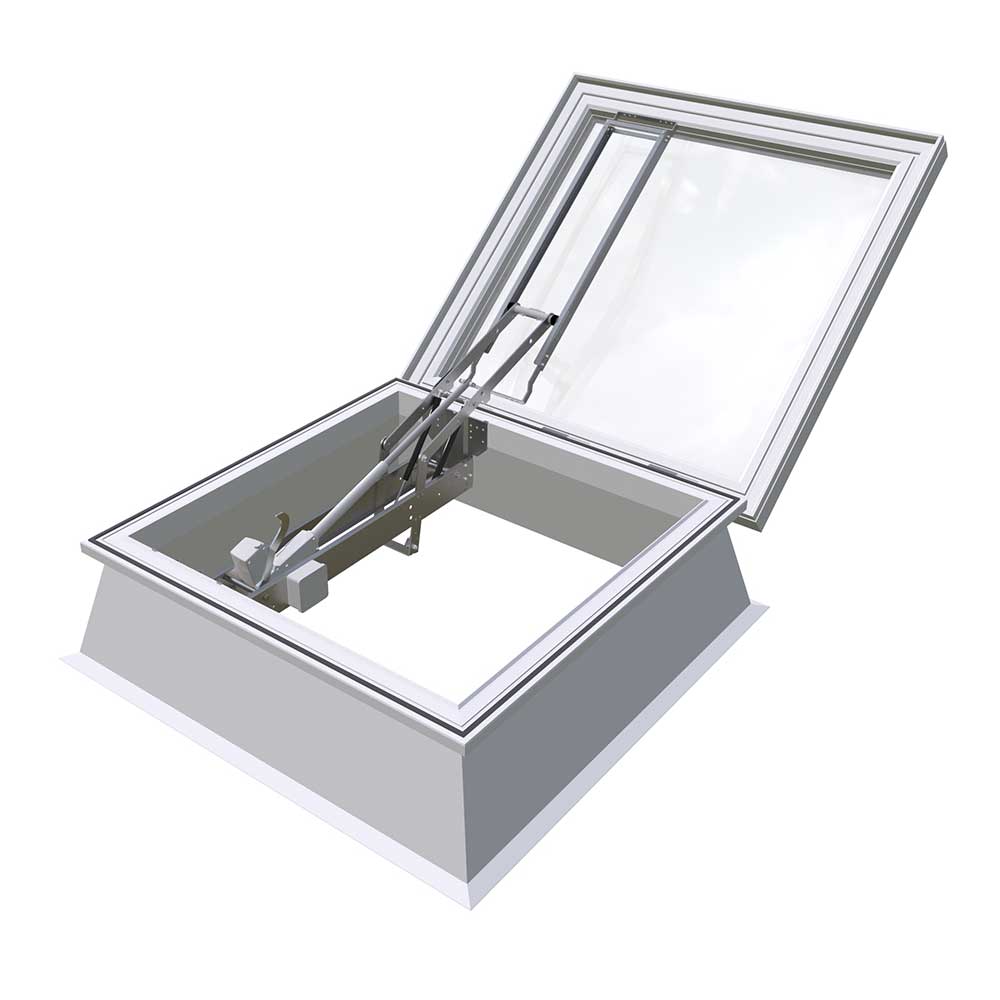 Offset Actuator
Brett Martin AOV Smoke Vent Offset Actuator 365mm Kerb
- Made to order · 7–14 working days
- Polycarbonate dome
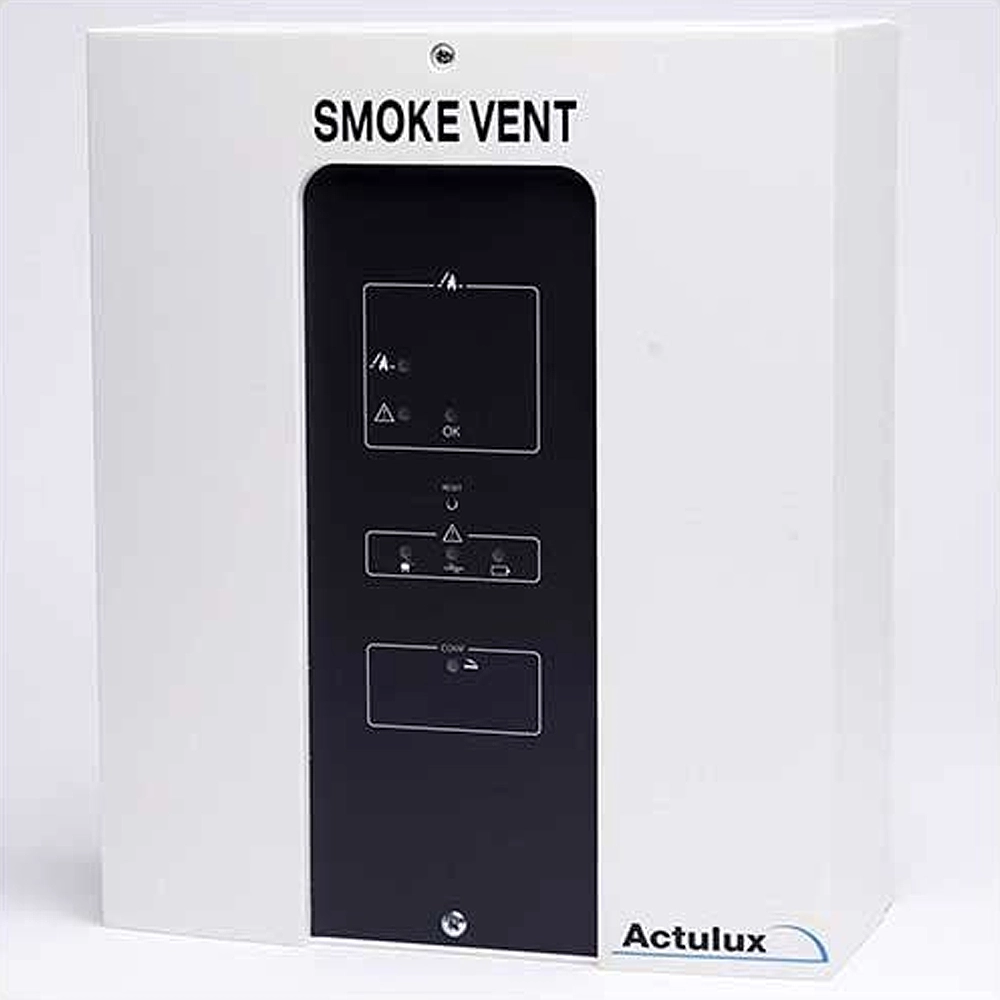 5 Amp Control Panel
Control Panel for AOV Smoke Vent
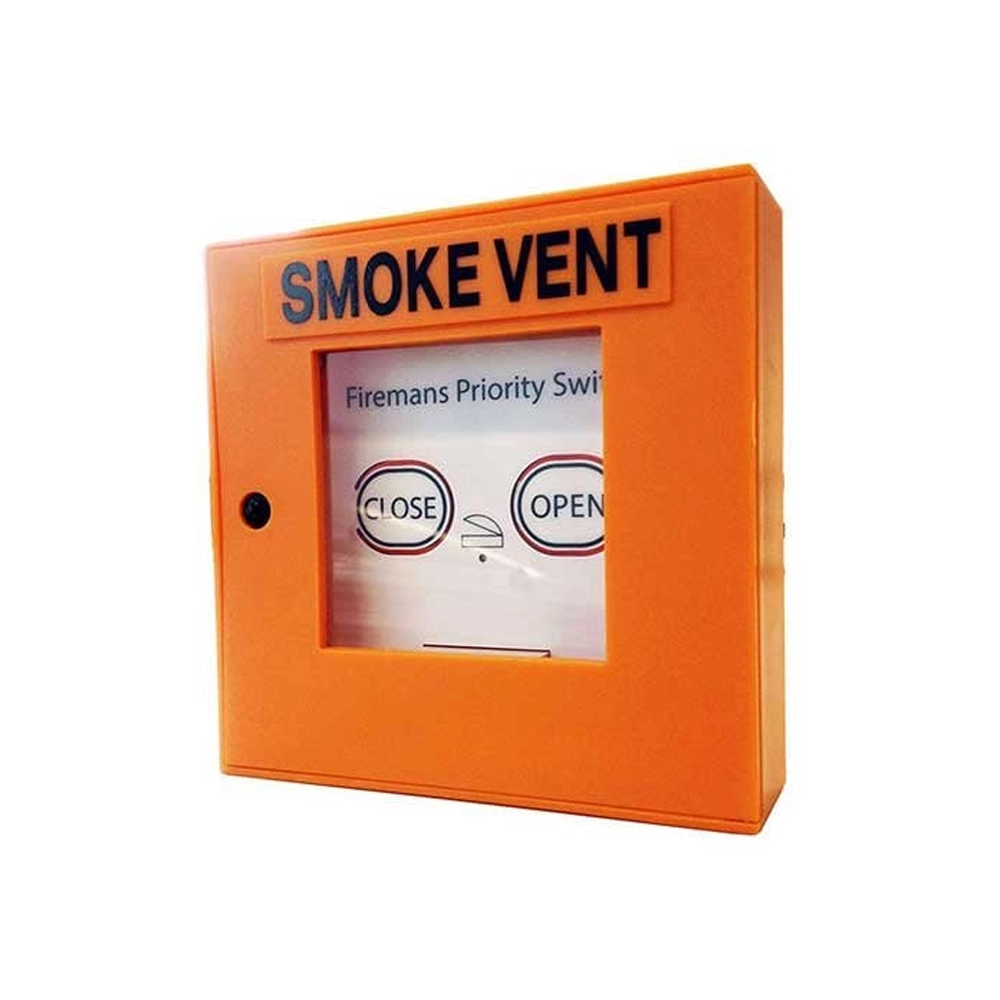
Fire Brigade Priority Switch for AOV Smoke Vent
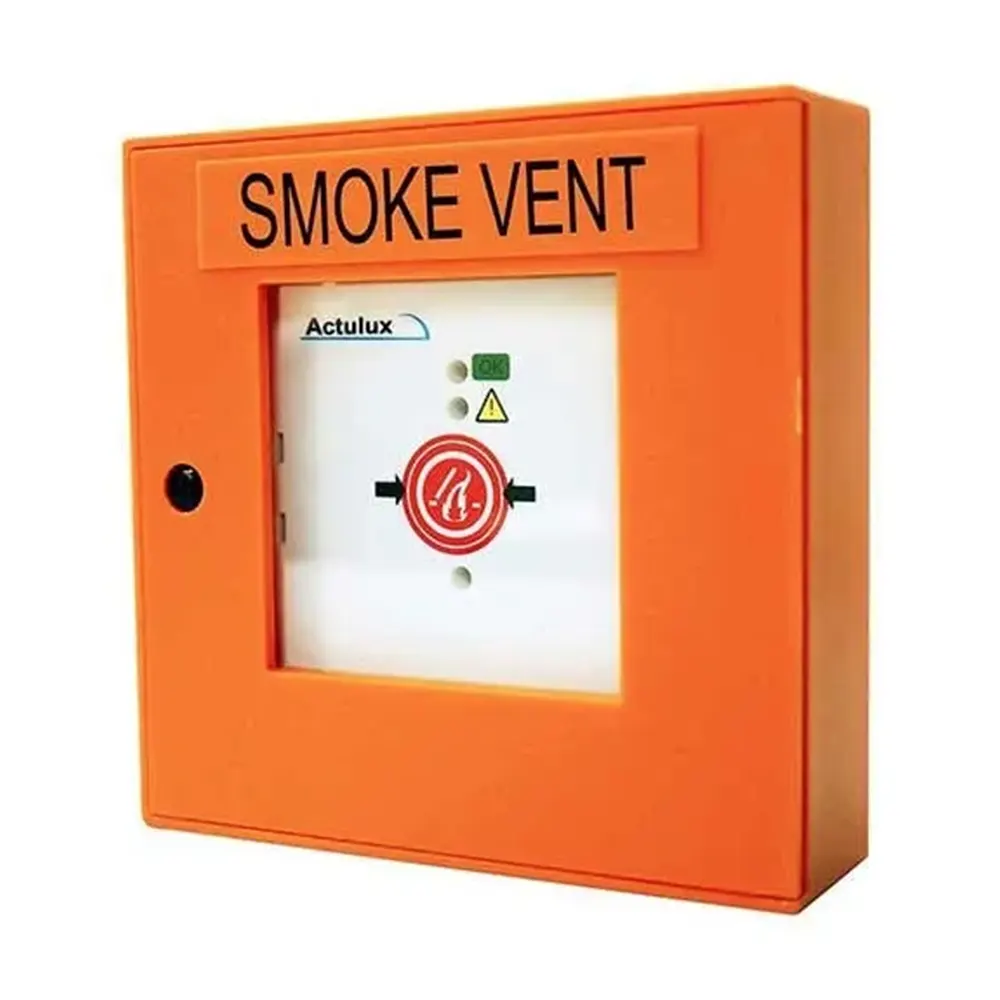
Fire Switch for AOV Smoke Vent (IP40)
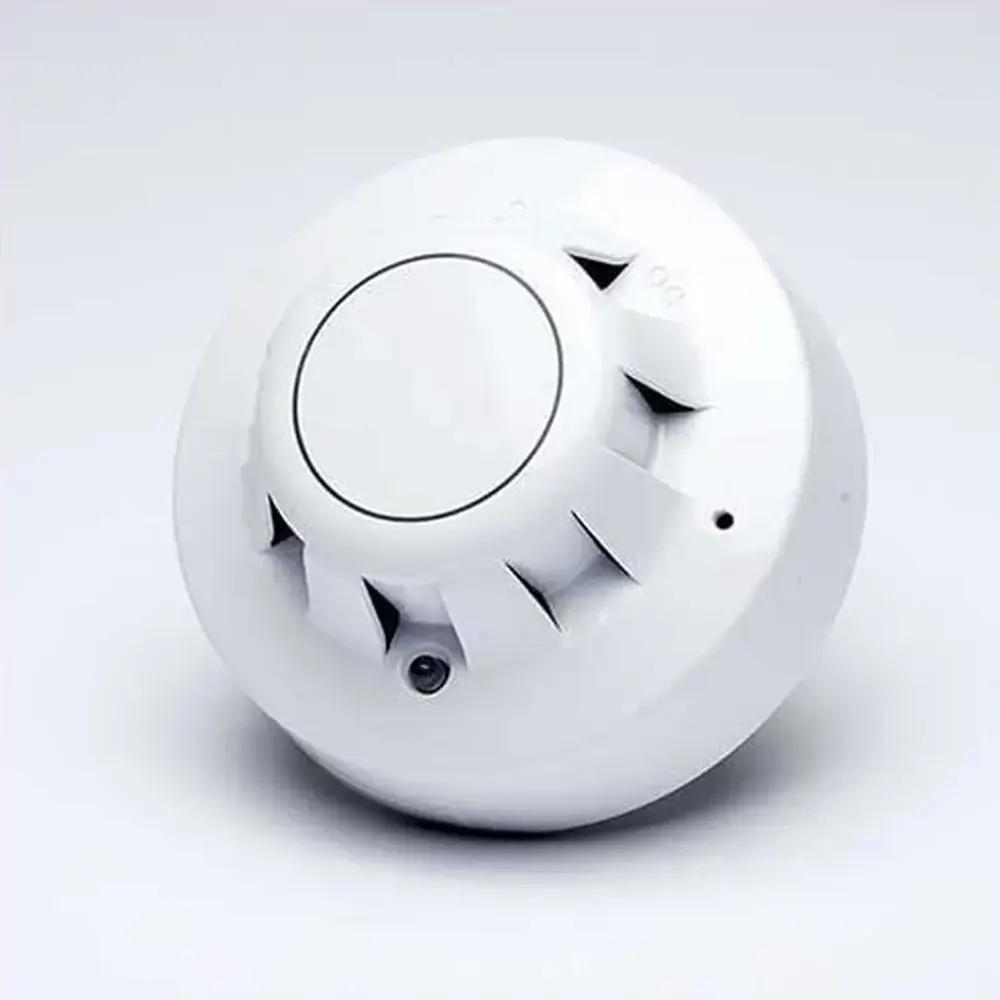
Smoke Detector for AOV Smoke Vent
What an AOV smoke vent does
An Automatic Opening Vent is a ventilator that opens automatically in the event of a fire to release smoke and heat from the building. By clearing smoke from the critical spaces, it keeps escape routes usable, improves visibility for people getting out, and gives firefighters better access and sightlines when they arrive. It's a system rather than a single product — the vent works in conjunction with the building's fire detection.
Where they're used
AOVs are typically installed in the stairwells, corridors, lobbies and atriums of residential and commercial buildings, and are equally suited to warehouses, schools and office blocks — anywhere smoke needs to be cleared quickly to protect an escape route and meet fire-safety and building regulations.
Standards and compliance
AOV smoke vents should comply with BS EN 12101-2, the European standard for natural smoke and heat exhaust ventilators. Specifying certified products helps ensure your system meets Building Regulations Approved Document B and the relevant local fire-safety requirements — worth confirming against the building's fire strategy at design stage.
The benefits
- Improves fire safety by quickly removing smoke and heat
- Protects escape routes for building occupants
- Aids firefighter access and visibility during an emergency
- Supports building-regulation compliance and insurance requirements
Frequently asked questions
What standards do AOV smoke vents need to meet?
How does an AOV smoke vent open during a fire?
Do AOV smoke vents need maintenance?
Where are AOV smoke vents required?
Offset or central actuator — which do I need?
Move it to one side — an offset actuator — and you free up a clear gap on the other side, so the same unit doubles as a roof access hatch. Both Brett Martin's Mardome Smoke Vent and Coxdome's SHEV can be supplied that way. Useful when you'd otherwise be cutting and paying for two openings in the roof.
Two catches. Fewer sizes offer it: on the Mardome the offset option runs 1050mm to 1650mm long, and 1800mm units aren't offered offset at all because a central actuator already leaves room to climb past. And the wind load rating drops from WL1500 to WL1000, so check that still suits your site's exposure.
What are the different kerb styles, and which one do I order?
Direct fix. The unit comes with a short kerb — 102mm on the Mardome Smoke Vent, 160mm on Coxdome's RO16 — and bolts down onto a structural, insulated upstand your roofer has already built. Brett Martin require that upstand to be at least 200mm high; go lower and the EN 12101-2 certification no longer stands.
Self-supporting kerb. A tall PVC kerb fixed straight to the roof opening, no builder's upstand needed. Mardome's is 365mm overall with a 300mm waterproofing height and an integral clamp that grips the membrane so it can't peel back. Coxdome offer 150mm and 300mm splayed, 160mm vertical, and GRP.
Splayed kerbs taper outward so the membrane dresses up without timber fillets. Go taller on a warm roof, where insulation over the deck eats the height — and taller kerbs give more free area into the bargain.
What do wind deflectors actually do, and are they worth the extra?
That shows up directly in the aerodynamic free area. On the Mardome Smoke Vent deflectors add roughly a quarter to a half: a 1050 × 1050 on a builder's upstand goes from 0.39m² to 0.49m², and an 1800 × 1800 on the 300mm kerb from 1.33m² to 2.07m².
Worth paying for? Free area is the number your fire strategy specifies. If deflectors get one vent over the line, you've avoided a bigger unit, a bigger roof opening, or a second vent entirely — all of which cost more than the fins. Note Wind deflectors are only available with Brett Martin AOVs with Centrally positioned actuators.